A Comprehensive Guide to Fencing Install: What You Need to Learn About Fencing Services
When it involves installing a fence, you've got a lot to contemplate. From selecting the best products to understanding neighborhood regulations, each action can feel frustrating. You'll require to evaluate your residential property and determine if you intend to tackle the setup on your own or hire an expert. But that's simply the beginning. Allow's discover the necessary aspects that can make or damage your secure fencing job.
Recognizing Various Sorts Of Secure Fencing Products
When you're selecting a fence, understanding the different sorts of secure fencing materials is crucial. Each material uses distinct advantages and downsides, influencing your decision. Timber supplies a timeless look and can be customized, but it needs regular maintenance and might rot over time. Plastic is low-maintenance and sturdy, withstanding fading and parasites, but it can be costlier upfront. Chain-link fence is cost-effective and sensible for confining big locations, though it does not have personal privacy and aesthetic charm. Metal secure fencing, like wrought iron or light weight aluminum, offers toughness and beauty but might require corrosion security. Compound products blend the most effective of wood and plastic, supplying durability with an all-natural look. Consider your budget, desired looks, and maintenance preferences when assessing these options. Ultimately, choosing the ideal material will assist you create a fence that fulfills your needs and improves your residential or commercial property's worth.
Analyzing Your Property and Secure Fencing Demands
Before you start your fencing setup, it's vital to evaluate your property boundaries and the function of your fencing. Understanding regional policies and licenses will likewise help you prevent any legal concerns down the line. By considering these factors, you'll assure your fencing satisfies both your needs and community criteria.
Residential Property Limits and Lines
Recognizing your residential property limits is crucial for an effective fencing setup, as it not only assists you determine where your fencing will go yet likewise ensures you're valuing your neighbors' area. Beginning by assessing your property deed or study, which commonly outlines the precise boundaries. You could likewise intend to consult with an expert surveyor if you're unsure.
Keep in mind, regional zoning laws may dictate fence positioning and elevation, so inspect those guidelines too. Taking these steps assurances your fence is effectively placed and certified, making the entire procedure smoother for you.
Objective of Fence
Fence serves multiple objectives that can substantially enhance your property. Initially, it provides security by producing an obstacle that discourages invaders and protects your belongings. Second, it provides privacy, permitting you to appreciate your outside area without fretting regarding spying eyes. Third, fencing can define your building limits, making it clear where your room ends and your neighbor's begins. Additionally, it can boost the visual appeal of your home, adding personality and design while enhancing aesthetic appeal. Ultimately, a well-placed fence can assist manage noise from nearby roads or next-door neighbors and also keep pets and youngsters safe. By evaluating your particular needs, you can choose the ideal type of fence to attain these benefits effectively.
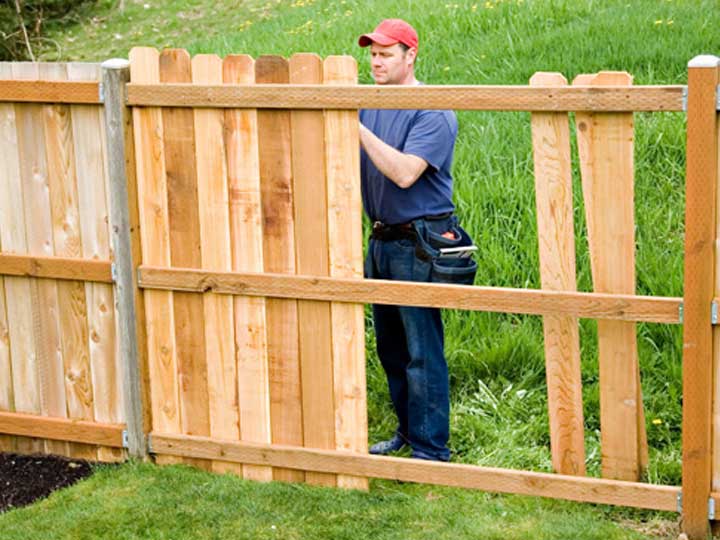
Local Laws and Permits
Exactly how can you guarantee your fence installment complies with local policies? Some locations call for authorizations for any kind of brand-new fencing, while others might just require them for taller frameworks.
Furthermore, think about residential or commercial property lines and any kind of easements on your land. Noting your limits can avoid disagreements with neighbors or possible legal issues. By comprehending these laws ahead of time, you can prevent costly blunders and determine your fencing is developed to last, boosting both your property's worth and your satisfaction.
Local Rules and Permits for Fencing
Prior to you begin your secure fencing task, it is necessary to examine local regulations and acquire any essential authorizations. Each city or region has its very own regulations regarding fence height, products, and positioning. These policies ensure that your fencing conforms with safety requirements and area looks.
You could need to send a fencing strategy, detailing dimensions and products. Some locations might also call for a study to confirm residential property boundaries.
Overlooking to adhere to these laws can lead to fines or forced elimination of your fencing, losing both time and cash. Take the time to study and protect the correct permits for a smooth setup procedure. This action is essential in making sure your task aligns with regional regulations and neighborhood standards.
Choosing In Between DIY Installation and Professional Solutions
Are you taking into consideration whether to tackle the fence setup on your own or hire a specialist? This decision depends upon several view website elements. Examine your skill level. If you're handy and have experience with comparable projects, DIY might save you cash. Be truthful about your capacities; errors can lead to added expenses and headaches.
Following, think about the time dedication. Setting up a fence takes time, and if you're managing a hectic routine, employing an expert can assure it gets done efficiently. In addition, consider the complexity of the job. If your yard has difficult terrain or certain design demands, professionals bring knowledge that can make a difference.
Finally, consider regional laws. A professional knows the authorizations and codes required, helping you stay clear of prospective fines. Eventually, consider your skills, time, intricacy, and laws to make the very best choice for your fencing task.
Step-by-Step Overview to Fence Setup
When you have actually decided to relocate onward with your fencing installation, adhering to a structured detailed approach will certainly guarantee a smooth process. Start by noting the fencing line with stakes and string to visualize the design. Next off, check regional laws to verify conformity with height and residential or commercial property lines.
Dig post holes a minimum of two feet deep, spaced according to your fencing kind-- usually 6 to 8 feet apart. Place the articles right into the holes and fill them with concrete for stability. As soon as the messages are set, connect the horizontal rails or panels, seeing to it they're degree.
Check for any loosened connections and make necessary modifications. Your fence needs to now be prepared to improve your property and give the personal privacy or security you require!
Upkeep Tips for Longevity of Your Fence
To maintain your fence looking wonderful and enduring much longer, normal maintenance is key. You ought to establish a cleansing schedule, evaluate for any type of damage, and use protective finishes as required. By staying aggressive with these tasks, you'll assure your fencing remains strong and attractive for years ahead.
Regular Cleaning Schedule
Start by rinsing your fencing with water at the very least once every period to eliminate dirt and particles. Do not forget to examine for any corrosion on metal fences; a cable brush can help eliminate it, complied with by a layer of rust-resistant paint. Maintaining your fencing clean not only enhances its look however also extends its life, saving you cash in the long run.
Evaluate for Damage
Routinely inspecting your fence for damages is important if you desire to keep its stability and durability. Start by walking around your fencing to look for visible indicators of wear, such as cracks, loose boards, or rust. Examine for any indicators of parasites, like termites or woodpeckers, try here that might compromise your fence's framework.
Apply Safety Coatings
After inspecting your fencing for damages, applying safety finishes is a key action in guaranteeing its durability. Depending upon the material, you'll intend to pick the ideal sort of covering. For wood fencings, a top notch sealer or wood tarnish can protect against wetness absorption and discourage Continue bugs. If your fencing is plastic or metal, think about a UV-protective spray or paint to stop fading and rust.
Make certain to clean the surface thoroughly prior to application, as dust and gunk can undermine the finish's effectiveness. Apply the finish in completely dry climate for far better bond, and do not forget to comply with the supplier's instructions for the finest outcomes. Consistently reapply every couple of years to keep your fencing looking great and standing strong versus the elements.
Cost Factors To Consider and Budgeting for Your Fence Project
When intending your fence task, understanding price considerations is important to staying within budget. Start by establishing the kind of material you desire, as costs can vary greatly in between timber, plastic, and steel. Do not fail to remember to factor in labor expenses-- hiring experts may save you time but can boost your general costs.
Following, measure your residential property to determine the linear video required, as this directly effects material prices. In addition, think about any permits you could need, which can add to your spending plan.
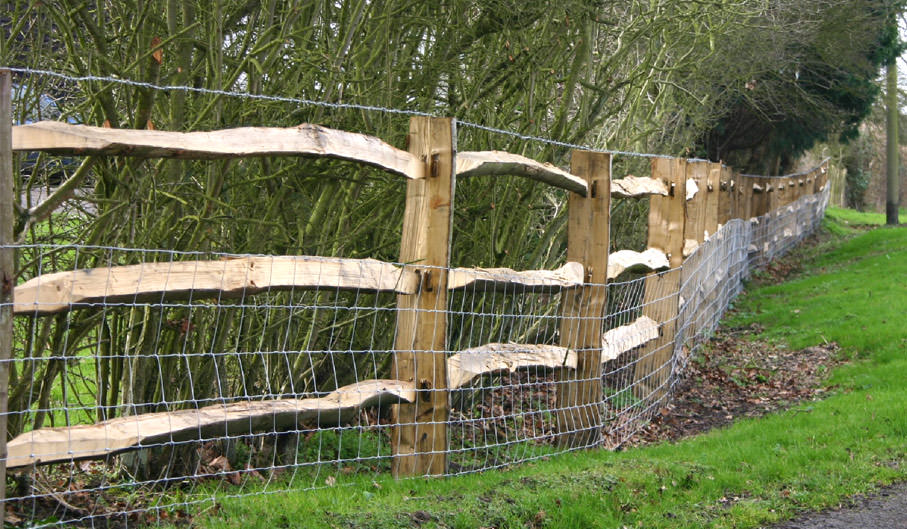
Last but not least, it's a good idea to establish apart a contingency fund for unanticipated expenses. By planning meticulously and considering these factors, you can create a realistic budget that fulfills your fence needs without breaking the bank.
Regularly Asked Questions
For how long Does the Typical Fence Installation Take?
The average fencing setup typically takes one to 3 days, relying on the fence type and size of your backyard. You'll require to take right into account any kind of hold-ups because of weather or allow needs as well.
What Should I Do if My Fence Is Harmed?
If your fencing is damaged, initially evaluate the extent of the damages. Repair minor problems on your own, however for significant problems, think about calling an expert. Don't wait also long; it'll aid stop further problems.
Can I Set Up a Fencing on a Slope?
Yes, you can mount a fence on an incline. You'll require to change your installation technique, either by tipping the panels down or utilizing a racked design to ensure stability and correct placement with the terrain.
What Are the very best Practices for Fence Paint?
To repaint your fence effectively, start with appropriate cleaning and sanding. Usage top notch paint and apply in also strokes. Do not neglect to select the ideal weather condition for paint, ensuring it's dry and mild.
Just how Frequently Should I Evaluate My Fencing?
You should check your fencing at the very least twice a year, focusing on indicators of damage, rot, or corrosion. Normal checks aid you capture problems early, guaranteeing your fencing remains durable and aesthetically attractive much longer.